

AI Tarot Reading Online
- Free
- No sign-up
- Answer in 30 seconds
More to Explore
Quick readings and tools for different moments
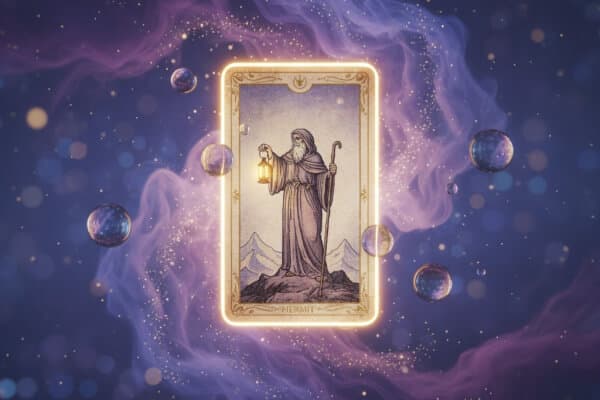
Yes or No Tarot
Need a quick answer? Ask a yes-or-no question and let the cards decide.

Love Tarot
Curious about their feelings? Get clarity on love, attraction, and where things are headed.
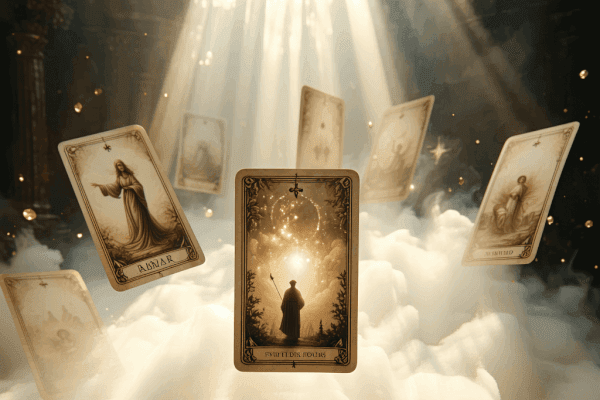
Draw Tarot Cards
Pull cards freely and explore their meanings at your own pace.
Draw an Oracle Card
Pick an oracle deck, hold a question, and draw a single card for clarity.

Tarot Manifestation
Set intentions with tarot as visual anchors. Daily focus turns goals into reality.

Chat with Raven
Talk to the mystical artist of the Moonlight Tower. He listens and paints a card for your moment.

Chat with Luna
A warm tarot apprentice who listens beneath the starlight. Find your inner answers.
Tarot Fortune
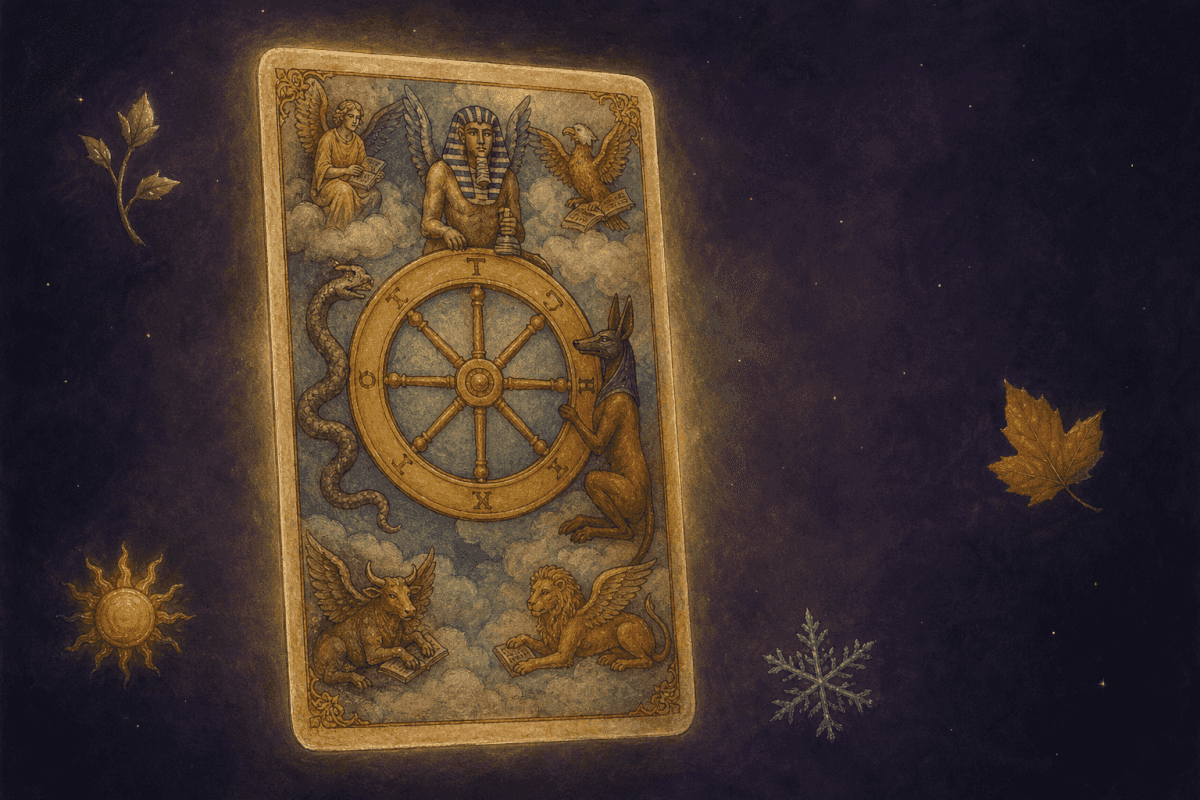 2026
20262026 Tarot Annual Fortune Reading
2026 Tarot Annual Fortune Reading
Gain insight into your fortune trends for the coming year through tarot cards. The annual tarot reading provides you with a long-term perspective, helping you plan for the future, seize opportunities, and face challenges.
View Annual Fortune
Year Ahead Reading
A month-by-month tarot timeline: one theme card plus a card for each of the next 12 months. See how your year unfolds and which months are your key turning points.

Seasonal Spread
Limited-edition reading available only during the four solar terms. Five cards reveal spiritual lessons, vitality, relationships, mental clarity, and fortune for the coming quarter.
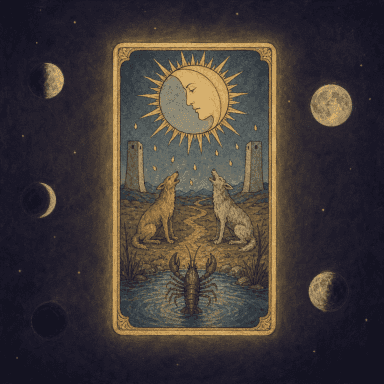
Monthly Tarot
Draw three cards for early, mid, and late month guidance
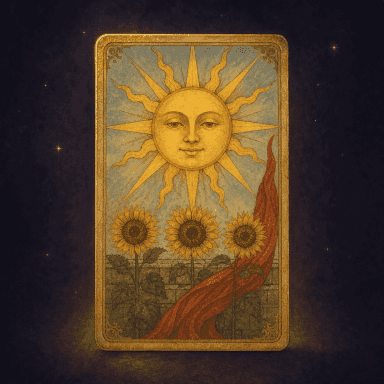
Daily Tarot Fortune
Explore today's tarot guidance and unveil your destiny's path. One card each day to gain insight into life's mysteries.
Tarot Spreads
Celtic Cross Spread
The classic 10-card layout for deep insight. Reveals your situation, challenges, influences, and what's coming next.
Two Options Spread
Torn between two choices? This spread reveals the energy and outcomes of each path to guide your decision.
Three Options Spread
Facing three different paths? This spread illuminates the potential of each choice to help you find clarity.
Tarot Blog
Free tarot reading guides, tips and in-depth analyses, curated by the Tarotap editorial team.
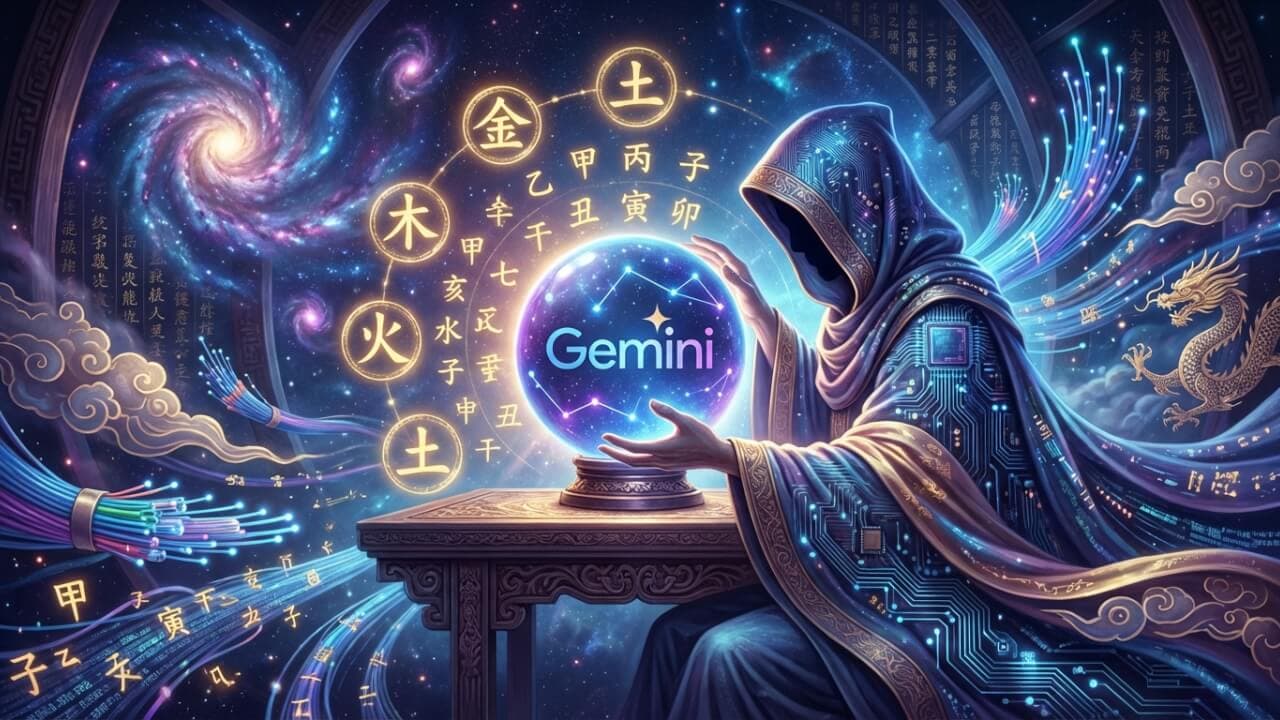
Gemini Fortune Telling: 10 Copy-Paste Prompts for 2026
Use Google Gemini AI for fortune telling with 10 ready-to-use prompts. Birth chart analysis, love predictions, career forecasts, and more.
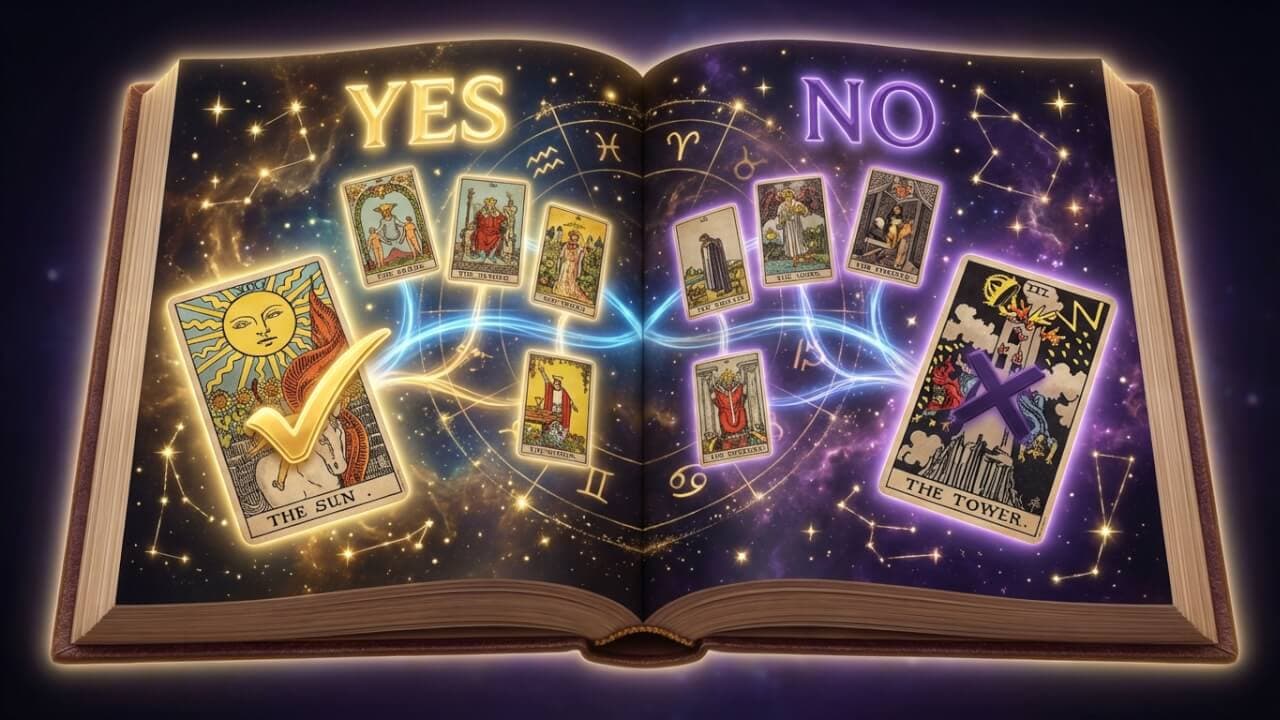
Yes or No Tarot List - All 78 Cards with Meanings
Complete yes or no tarot cards list with upright and reversed meanings. Quick reference tables for all 78 tarot cards.
It starts with your question
How It Works
- 1
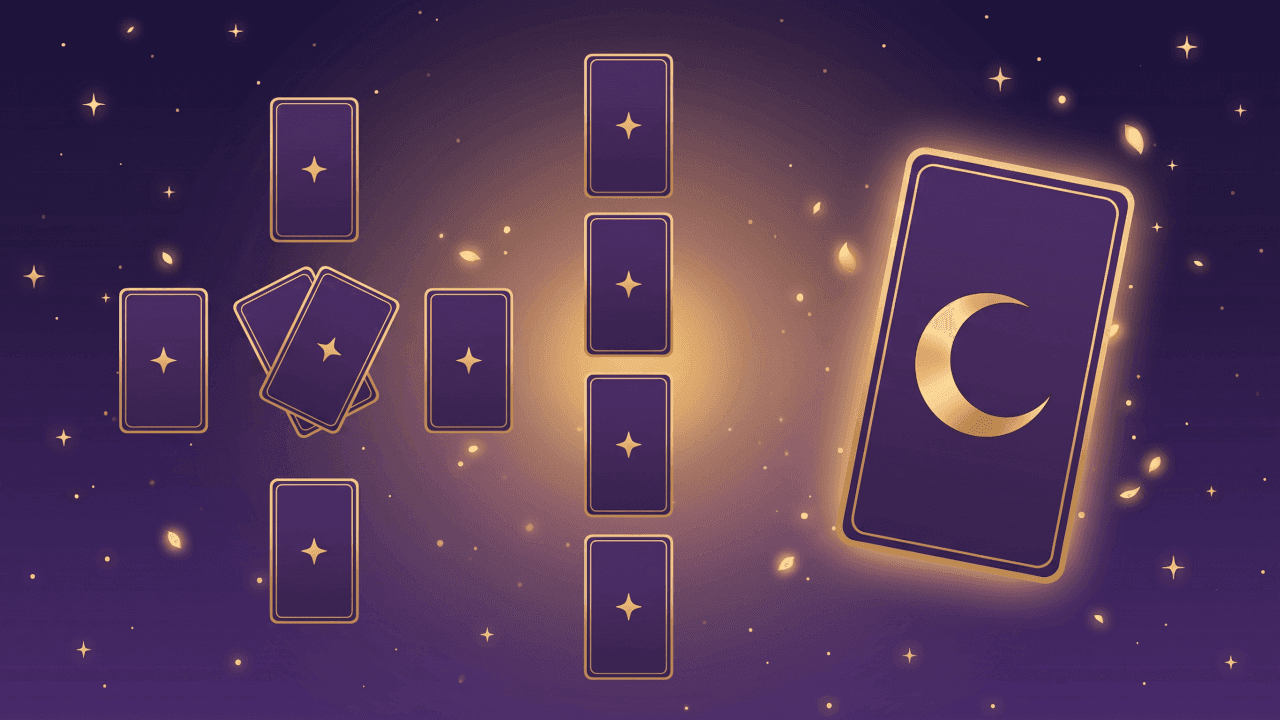
Your Question Chooses the Spread
Traditional tarot apps make you pick a spread first. Here, you describe your situation, and the AI figures out whether a 3-card timeline, a 7-card layout, or a relationship spread fits best. The spread follows the question, not the other way around.
- 2
The Reading Doesn't End at the Cards
Most tarot apps give you a wall of text and leave it there. After the initial reading, you can ask follow-up questions like "What if I take the other path?" or "How does this connect to the Tower card?" The AI keeps track of your full session, so the conversation stays coherent.
- 3
Two Reading Modes
Quick Reading gives you a short interpretation in seconds, good for when you just want a general sense. Deep Insight mode takes longer and cross-references card combinations to surface patterns across the spread. Both use the same cards, just at different levels of detail.
- 4
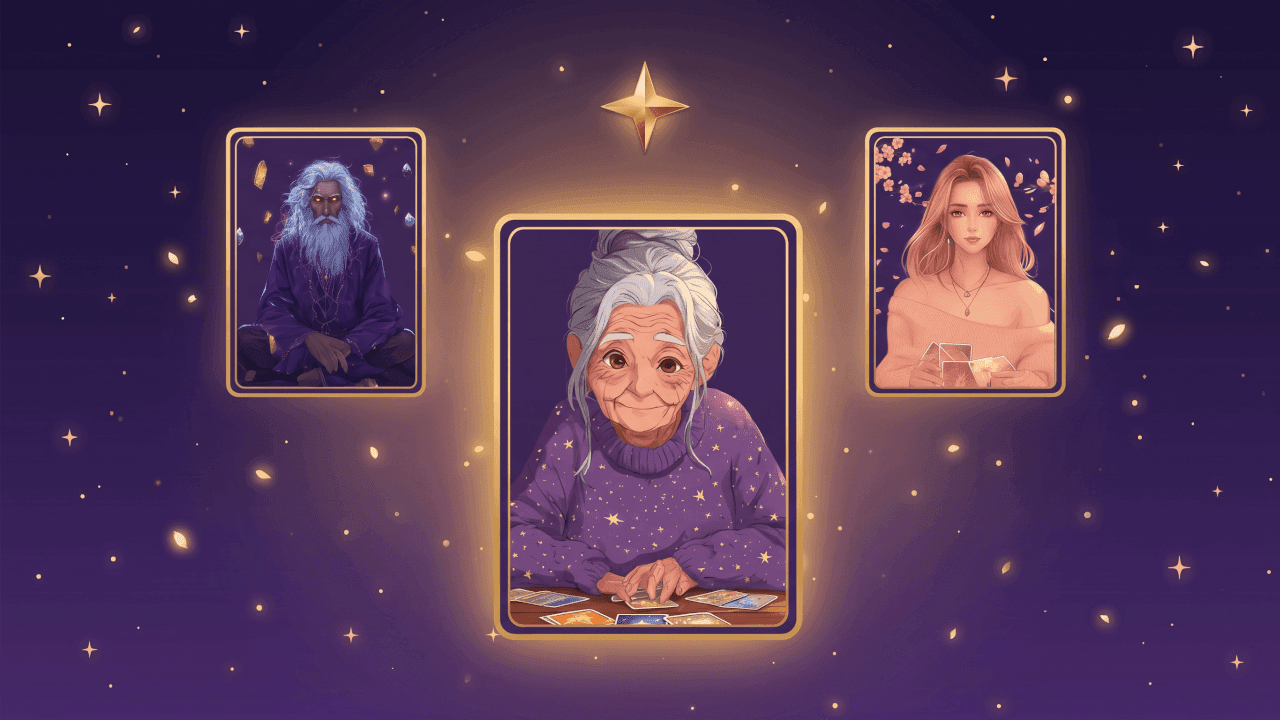
Seven Readers, Seven Perspectives
There are seven tarot reader personalities to choose from, each with a different style. One speaks in metaphors, another is more blunt and challenges your assumptions, another reads like a warm, experienced elder. They interpret the same cards differently, so you can pick whoever feels right for the question.
Free AI Tarot Reading FAQ
What should I pay attention to before a tarot reading?
Find somewhere quiet where you won't get interrupted, and take a minute to settle before you start. The light music on our site is there if you want it. When you draw the cards, hold your question in your head, or say it out loud if that helps. Stay open to whatever comes up. Tarot AI is a thinking tool. Whatever you do with the reading is your own call.
Can I repeat readings for the same question?
Try not to. If nothing's changed and you just don't like the first answer, asking again won't make it more 'right'; it'll just muddy things. The cards reflect the energy of the moment, and going back to the same question over and over confuses that signal. Wait until something has actually shifted in your situation, then come back for a fresh tarot AI reading.
Can tarot cards predict the future? How to view tarot results rationally?
Not in a deterministic way. A tarot reading reflects where things sit right now and where they could head from here, but what you actually do is what moves the future. The cards give you a frame to think against. An unexpected result isn't doom; it's information about what to watch for.
What are the taboos or limitations of tarot reading?
There are a few questions our AI tarot won't answer: anything tied to life safety, serious medical diagnoses, legal disputes, or specific financial decisions. Those need real professionals, not a card spread. An online tarot reading is best for personal growth and figuring out how you feel about your own life. It isn't a substitute for a doctor, a lawyer, or a financial advisor.
Are online tarot results accurate? How to correctly understand divination results?
The accuracy of a tarot AI reading comes down to a few things. The biggest is whether your question is clear: vague questions get vague answers. It also helps if you trust the reader you've chosen and approach the draw with some sincerity. None of this means tarot gives you 'the truth.' Treat the reading as a mirror to think against. You're still the one making the call.
How to ask better questions?
Skip questions like 'what am I doing with my life?' They're too broad to land anywhere useful. Specific is better. Try things like 'How is my work life going to shift over the next few months?' or 'I have two job offers, A and B; which one fits where I'm trying to go?' or 'What is my situationship actually thinking about us?' The more concrete the question, the more concrete the cards can be back.